

Trauma and PTSD support for individuals in North York and nearby Toronto communities
If you’re searching for EMDR therapy in North York, you may be looking for more than information. Many people begin exploring EMDR when past experiences continue to affect their emotional well-being, relationships, or sense of safety.
Rafati Counselling Services offers trauma-focused EMDR therapy for individuals living in North York and nearby Toronto communities. Our practice is located in Thornhill, which many clients find to be a practical and accessible option.
For many people, EMDR therapy can help reduce the emotional intensity of distressing memories over time, so they feel less present in daily life.
People in North York often seek EMDR therapy when they experience:
intrusive or distressing memories
feeling constantly on edge or alert
sudden emotional reactions that feel difficult to control
anxiety or panic connected to past experiences
difficulty feeling safe or settled in everyday life
avoiding places, conversations, or situations that trigger memories
These experiences are often connected to trauma or unresolved distress that the nervous system has not fully processed. EMDR therapy is designed to help the brain process these memories in a way that reduces their emotional intensity.
EMDR therapy is often chosen because it works with both the mind and the body, helping the nervous system settle rather than staying stuck in survival mode.
If you feel stuck in the past or triggered by memories that still feel fresh, it may be worth exploring whether EMDR is a good fit for you.

EMDR stands for Eye Movement Desensitization and Reprocessing.
In simple terms, EMDR helps the brain reprocess distressing memories so they carry less emotional weight over time. The memory itself isn’t erased, but the goal is for it to feel more like something that happened in the past, rather than something you’re still reliving in the present.
EMDR uses a structured process and bilateral stimulation, such as guided eye movements or alternating sensations. The work is paced carefully and always grounded in safety.
You remain present and in control throughout the process.
EMDR is supported by over 30 years of research and is recommended by major mental health organizations, including the American Psychological Association and the World Health Organization.

Trauma is not only about what happened. It is also about how our nervous system learned to protect you afterward.
PTSD and trauma symptoms can develop after a single event, repeated experiences, or situations where you felt unsafe, powerless, or alone. Childhood trauma can shape how the body responds to stress long into adulthood.
EMDR therapy can be helpful for people experiencing:
The goal is not to relive trauma. The goal is to help your system process it so it no longer controls your present.
It’s common to feel unsure about EMDR before starting. Many people worry it will be overwhelming.
A trauma-informed EMDR process is typically experienced as:
Some people feel tired after sessions, especially early on. Over time, many notice fewer triggers, more emotional regulation, and a greater sense of internal calm.
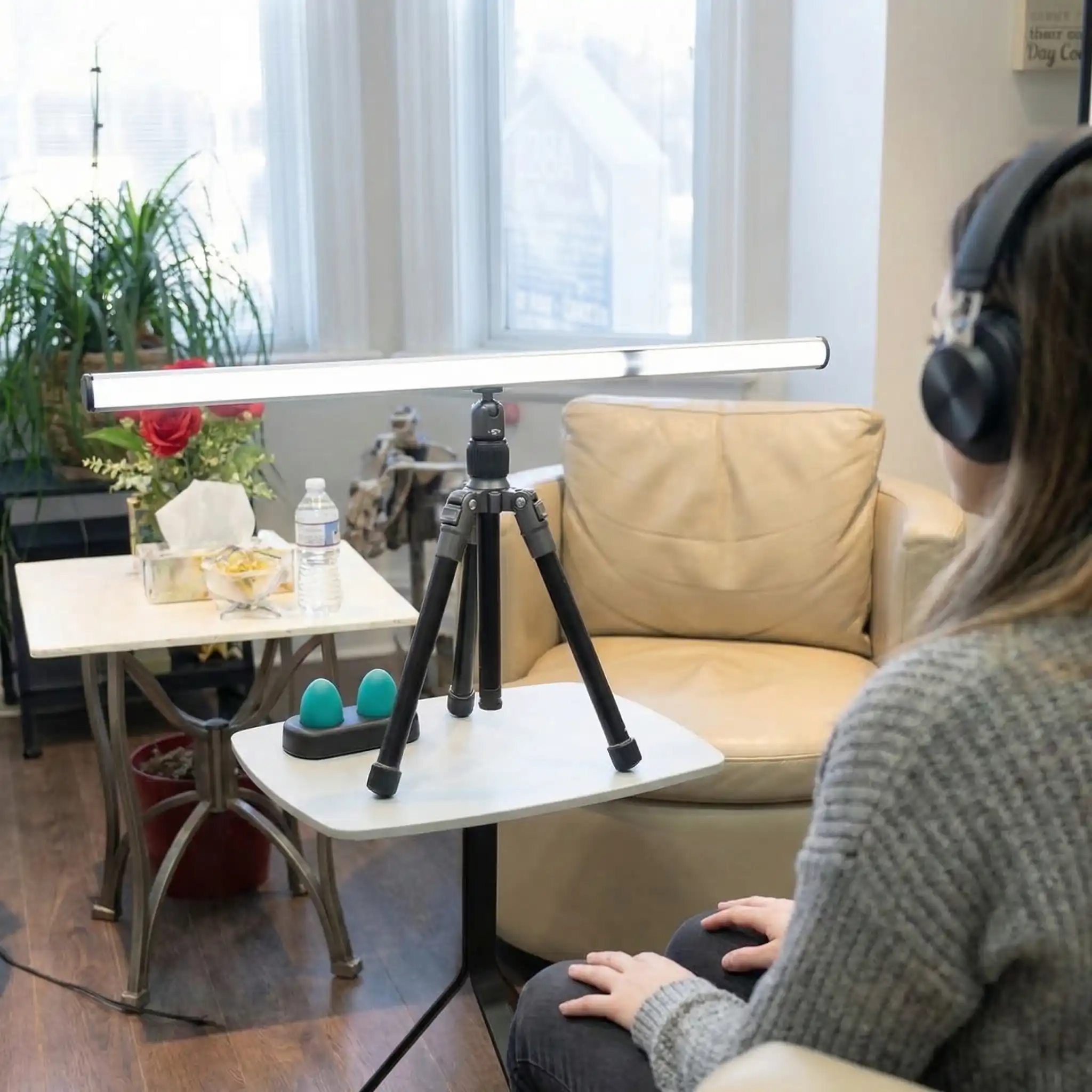
Every EMDR process is personalized, but most follow these stages.
We begin by understanding what brings you in, what you are currently dealing with, and what you hope will change. You do not need to share everything at once.
Before processing trauma, we focus on building emotional safety and grounding skills. This step is essential and helps reduce overwhelm.
Together, we identify which memories, experiences, or triggers are most connected to your symptoms. You are involved in this process and nothing is rushed.
When you are ready, EMDR is used to help reprocess distressing material in a structured and supported way.
We pay attention to how changes show up in daily life, relationships, and self-perception, and adjust the work as needed.
EMDR therapy follows a structured eight-phase model. On this page, the process is presented in a simplified way to help you get a clear sense of what therapy may feel like. If you would like a more detailed explanation of the EMDR phases, you can learn more on our EMDR Therapy page.
Rafati Counselling Services is located in Thornhill, directly north of North York along the Yonge Street corridor. For many clients in North York, it is a short and familiar drive up Yonge, often more straightforward than travelling into a downtown Toronto office.
North York clients also come from surrounding communities, including Toronto, Vaughan, Richmond Hill, and Markham. Sessions are in person at the Thornhill office.
People often choose a therapist a little outside the busiest parts of the city when they are looking for specific training in trauma therapy and EMDR. What tends to matter most is the fit with the therapist and the approach, rather than the closest possible location.
If you are looking for EMDR therapy near North York and want to learn whether this approach may be appropriate for you, you can contact Rafati Counselling Services.

Pantea Rafati is a Registered Psychotherapist with a Master of Arts in Counselling Psychology. She is a member of the College of Registered Psychotherapists of Ontario (CRPO) and the Canadian Counselling and Psychotherapy Association (CCPA).
Pantea works with adults from North York and surrounding communities who are seeking EMDR therapy for trauma, PTSD, and distressing life experiences.
Pantea brings warmth, safety, and professionalism to every session. With advanced training in EMDR therapy, she supports clients in:





EMDR therapy may be a good fit if:
EMDR may not be the first step if you are currently in crisis or lack basic emotional stability. In those cases, focusing on safety and stabilization first is often the most supportive approach.
Common questions from clients in North York considering EMDR therapy at our Thornhill office.
No. Rafati Counselling Services is located in Thornhill, directly north of North York along Yonge Street. All appointments are in person at the Thornhill office.
For most North York clients, the Thornhill office is a short drive north along the Yonge Street corridor. Many find it more convenient than travelling into a downtown Toronto office, with easier parking and access.
No. EMDR therapy at Rafati Counselling Services is offered in person only, at the Thornhill office. In-person sessions allow the work to be paced carefully and supported throughout.
Not always. EMDR may be appropriate for many people processing trauma or distressing memories, but it is not the right starting point for everyone. During the first conversations, your therapist can discuss whether EMDR is a good fit for your needs and history.
No referral is needed. You can contact Rafati Counselling Services directly to ask questions and arrange a free 15-minute phone consultation.
Looking into EMDR therapy can bring up a lot of questions. You don’t need to have everything figured out before reaching out.
If you’re considering EMDR therapy and want to learn whether it might be a good fit for you, the next step is simply to get in touch. From there, we can talk about your goals, answer your questions, and help you decide what feels right.
When you’re ready, you can request a consultation using the form below.