

Trauma can affect far more than memory. It can shape how you respond to stress, how safe you feel in your body, and how you move through daily life, even long after a difficult experience has passed.
Some people seek trauma therapy after a single overwhelming event. Others are carrying the effects of repeated experiences, childhood wounds, or distress that has built up over time. In either case, the impact can show up emotionally, physically, and relationally.
Trauma therapy offers a structured and supportive space to process those experiences, reduce emotional overwhelm, and begin moving forward with more stability and clarity.
Trauma does not affect everyone in the same way. For some, it shows up as anxiety, emotional overwhelm, or feeling constantly on edge. For others, it may look like numbness, difficulty trusting, trouble sleeping, or feeling disconnected from yourself and others.
Sometimes trauma is linked to a single event. In other cases, it can develop through repeated experiences, ongoing stress, or difficult situations that were never fully processed. The effects may continue even when life on the surface appears stable.
People living with unresolved trauma often notice things like:
These responses are not signs of weakness. They are often signs that the nervous system has been carrying more than it has had the chance to process.
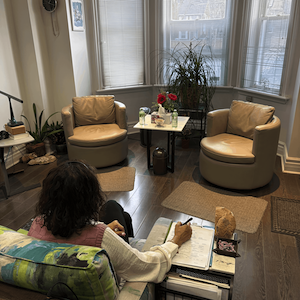

Pantea Rafati is a Registered Psychotherapist with a Master of Arts in Counselling Psychology. She is a member of the College of Registered Psychotherapists of Ontario (CRPO) and the Canadian Counselling and Psychotherapy Association (CCPA).
Pantea provides trauma-informed psychotherapy in a calm, supportive, and non-judgmental setting. Her work focuses on helping people process difficult experiences, reduce emotional overwhelm, and move forward with greater stability and clarity.
With advanced training in EMDR therapy, she supports clients who are carrying the effects of trauma, distressing memories, and experiences that continue to affect daily life, relationships, and emotional well-being.
Pantea brings warmth, safety, and professionalism to every session. Her approach is grounded in helping clients:





Trauma therapy is not about forcing you to relive painful experiences before you are ready. The process begins by creating enough safety, trust, and emotional steadiness for deeper work to feel manageable.
In the early stages, therapy focuses on understanding what you have been carrying, how it is affecting your life now, and what you hope will change. This may include emotional triggers, patterns in relationships, anxiety, distressing memories, or a sense of feeling stuck.
As the work progresses, trauma therapy helps connect past experiences with present-day reactions. The goal is to make sense of what your nervous system has been holding, while reducing the emotional intensity attached to it.
At Rafati Counselling Services, trauma therapy may include an EMDR-based approach when appropriate. EMDR can help the brain and body process distressing experiences in a structured way, so they no longer feel as immediate or overwhelming.
The pace of therapy is always important. Healing does not happen by rushing. It happens through a process that is supportive, collaborative, and grounded in your readiness.
Trauma can affect many parts of life at once. It may shape how you feel emotionally, how your body responds to stress, how you relate to others, and how safe or settled you feel from day to day.
People often seek trauma therapy when they are struggling with things like:
Trauma therapy helps create space to understand these responses with more clarity and less self-judgment. The goal is not just symptom relief, but helping you feel more grounded, more regulated, and more able to move through life without the same emotional weight.

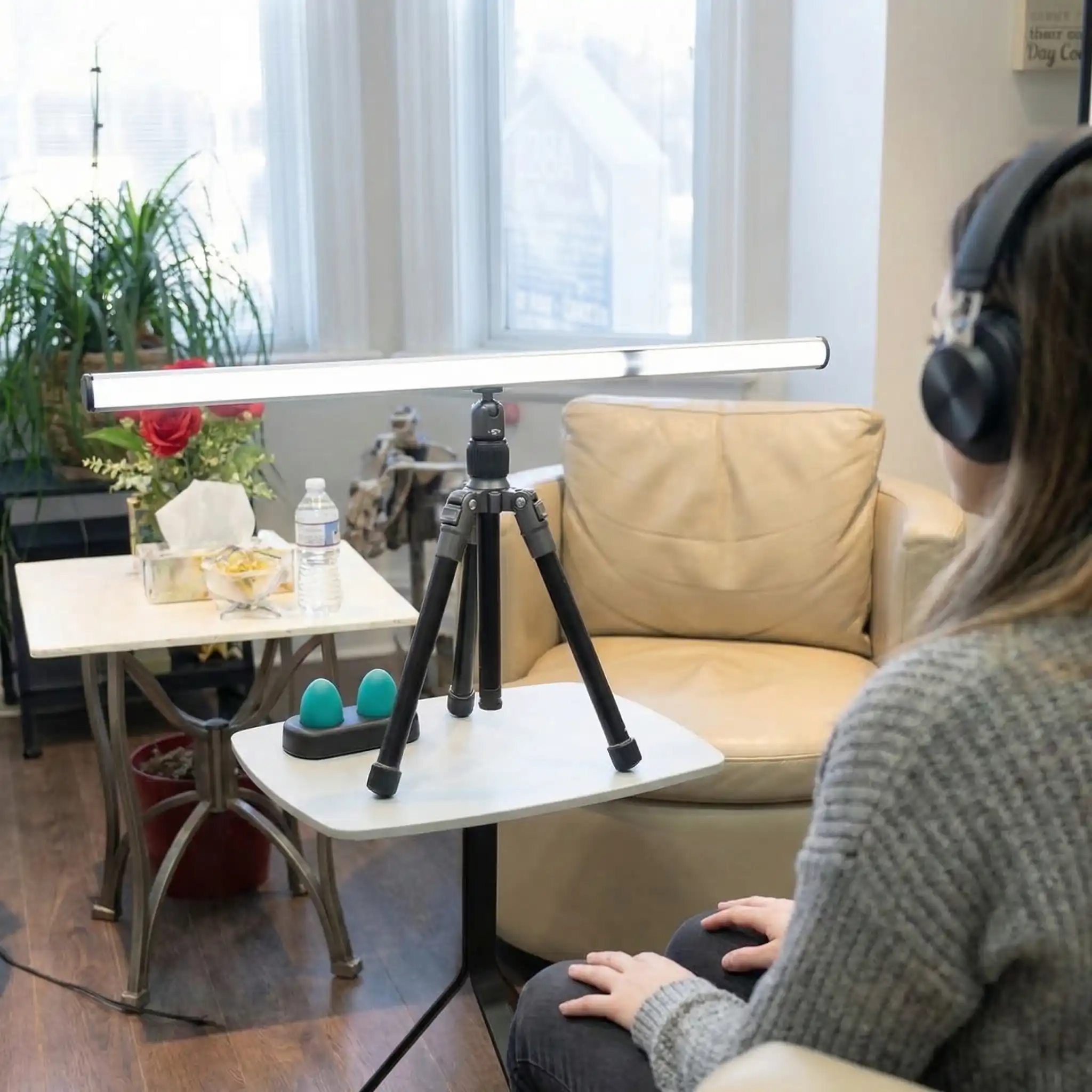
Trauma is not only stored as a story in the mind. It can also live in the body as tension, fear, emotional reactivity, or a sense of never fully feeling safe. That is one reason trauma therapy often needs to go beyond insight alone.
EMDR therapy can help because it works with how distressing experiences are held in the nervous system. Rather than simply talking about what happened, the process helps the brain reprocess those experiences so they feel less immediate and less overwhelming.
For many people, this can lead to a gradual shift. Memories may still be there, but they no longer carry the same emotional charge. Reactions that once felt automatic can begin to soften, and day-to-day life can start to feel more manageable.
At Rafati Counselling Services, EMDR is used as part of a trauma-informed approach that values safety, pacing, and readiness. The goal is not to force healing. It is to support it in a way that feels structured, respectful, and sustainable.
Trauma can leave the nervous system feeling tense, overloaded, or constantly on alert. For some people, this shows up as anxiety, panic, irritability, or a sense that it is hard to fully relax.
Trauma therapy helps by:
Many people begin to feel more grounded, more aware of their patterns, and more able to move through daily life with less overwhelm.
Trauma and PTSD can make the past feel as though it is still happening in the present. Distressing memories, nightmares, strong physical reactions, or a constant sense of danger can all make daily life feel harder to manage.
Trauma therapy can help people:
You do not have to keep living in reaction to what happened. With support, it becomes possible to feel more present and more in control again.
Trauma therapy can bring up a range of experiences, and each person’s process looks a little different.
People often notice things like:
Healing does not always happen in a straight line. Some sessions may feel lighter, while others may bring forward emotions or memories that need care and attention.
Each person’s pace matters. Therapy is guided by readiness, safety, and what feels manageable for you.
Trauma therapy works best in a space where you feel safe, understood, and not rushed.
At Rafati Counselling Services, trauma therapy is approached with care, structure, and respect for your pace. Pantea Rafati brings warmth, professionalism, and advanced EMDR training to her work with trauma.
The goal is to help you process difficult experiences in a way that feels supportive, steady, and grounded in emotional safety.
Trauma therapy is a form of psychotherapy that helps people process distressing experiences and reduce the emotional, physical, and relational effects those experiences can leave behind. It provides a structured and supportive space to work through trauma and move forward with greater stability and clarity.
Trauma therapy can help people better understand and process distressing experiences, reduce emotional overwhelm, feel less reactive to triggers, and build a greater sense of safety and regulation in daily life.
At Rafati Counselling Services, trauma therapy may include an EMDR-based approach when appropriate. EMDR helps the brain and nervous system process difficult experiences in a structured way so they feel less immediate and less overwhelming.
People often seek trauma therapy for intrusive memories, emotional overwhelm, anxiety, panic, shame, emotional numbness, avoidance, and distress connected to childhood experiences or past events.
Trauma therapy begins by understanding what you have been carrying, how it is affecting your life now, and what you hope will change. The process is paced carefully and focuses on safety, readiness, and building enough emotional steadiness for deeper work to feel manageable.
If you are considering trauma therapy, it is normal to have questions about whether it feels like the right fit.
Reaching out is simply the first step. Therapy begins by understanding what you are carrying and what feels manageable for you right now.
If you feel ready to explore the next step, you can use the consultation form below to contact Rafati Counselling Services.